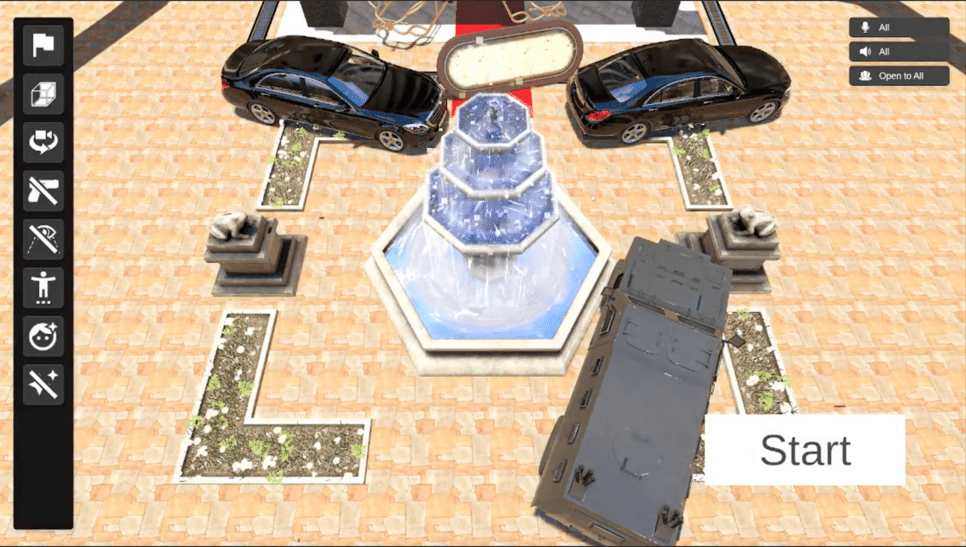
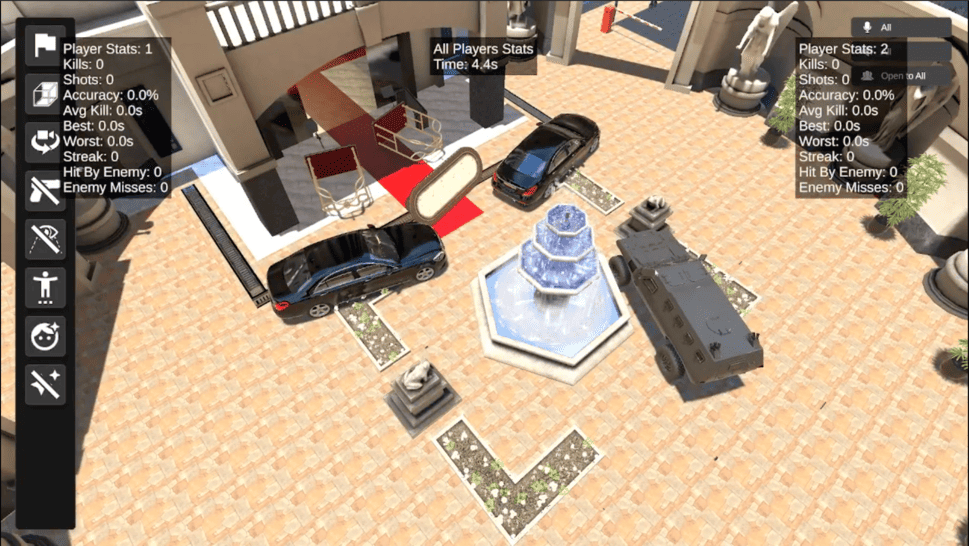
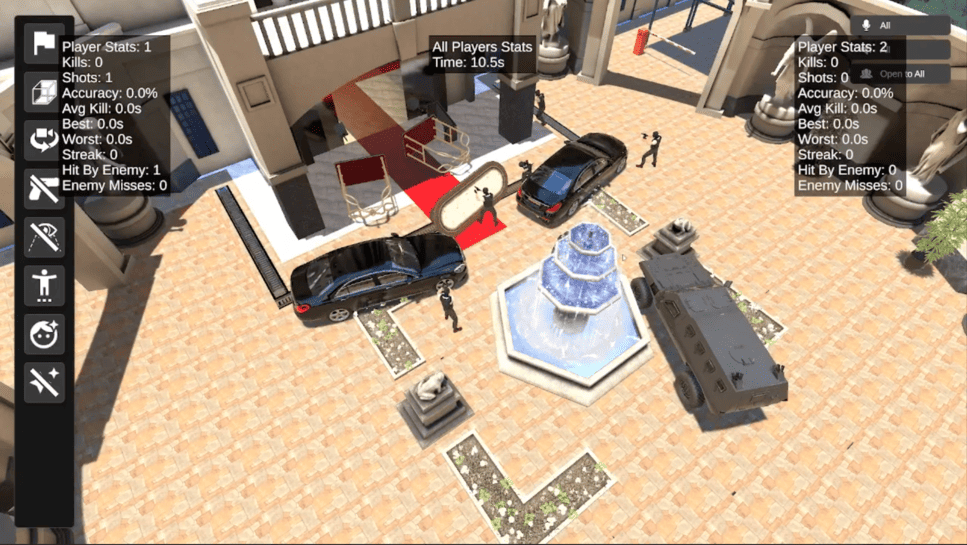
Law enforcement operates in massive gray areas. When personnel respond to a high-stakes call, the threat on the ground is rarely black and white. The toughest question usually isn’t how to shoot, but when to pull the trigger—or when to lower the weapon.
Training these critical instincts is incredibly hard if you only rely on static firing ranges or rigid physical shoot houses. They burn through logistics budgets, and real-world scenarios are simply too dangerous and expensive to constantly repeat.
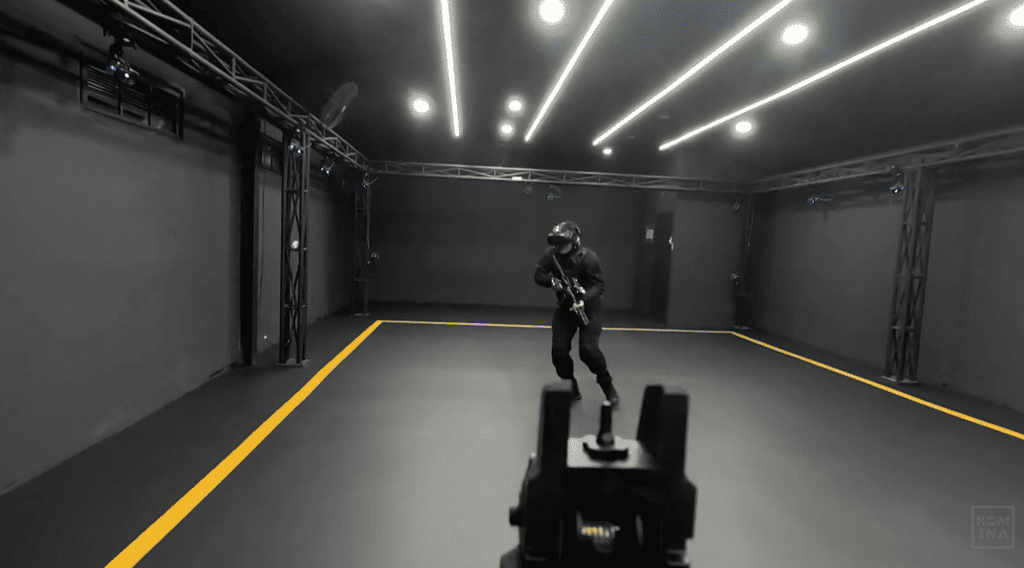
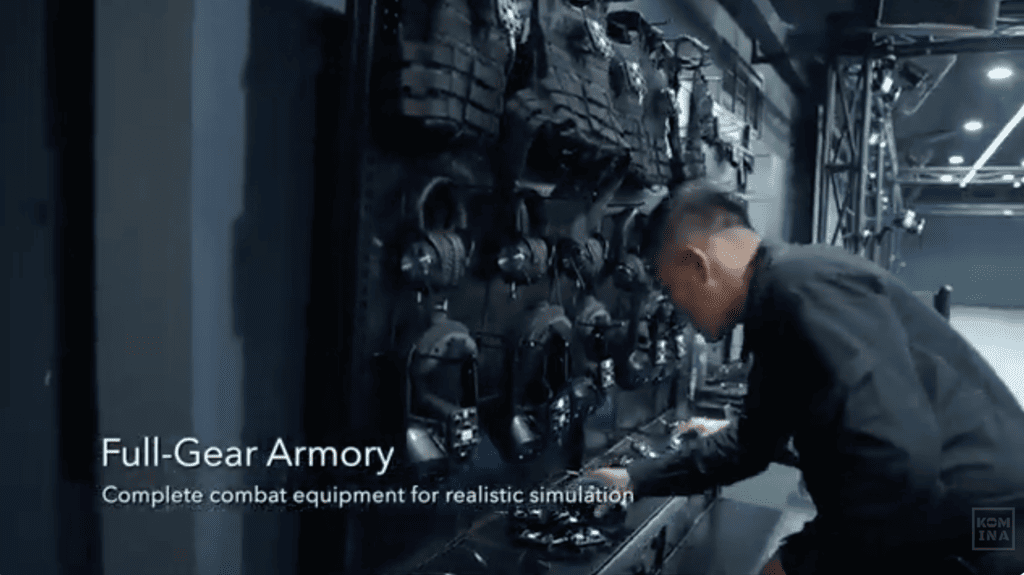
Enter KOMINA’s Law Enforcement VR Simulator. Taking cues from the tech used by global elite units, KOMINA doesn’t just drop operators into a video game. They have built a training ecosystem that forces the brain to respond to extreme pressure, all within a 100% safe, zero-risk environment.
Let’s break down the core features that make this system a mandatory upgrade for modern security institutions.
Beyond the Trigger: Testing De-Escalation Skills
In hostage situations or tense standoffs, communication is often a far more effective weapon than a bullet. The KOMINA simulator is engineered with highly intelligent, branching scenarios.
The virtual suspects inside the system don’t just stand there; they react in real-time to an operator’s body language and verbal commands. If personnel use the right tone and proper verbal de-escalation tactics, the situation might diffuse without a drop of blood. Make the wrong move or respond poorly? The scenario instantly escalates into a lethal shootout. This type of Use of Force training is absolutely essential to prevent fatal mistakes that lead to real-world tragedies and rights violations.
Extreme Realism: Haptic Vests and Tactical Weapons
To build the right muscle memory, operators need an authentic feel. You simply cannot train professionals using flimsy plastic arcade joysticks.
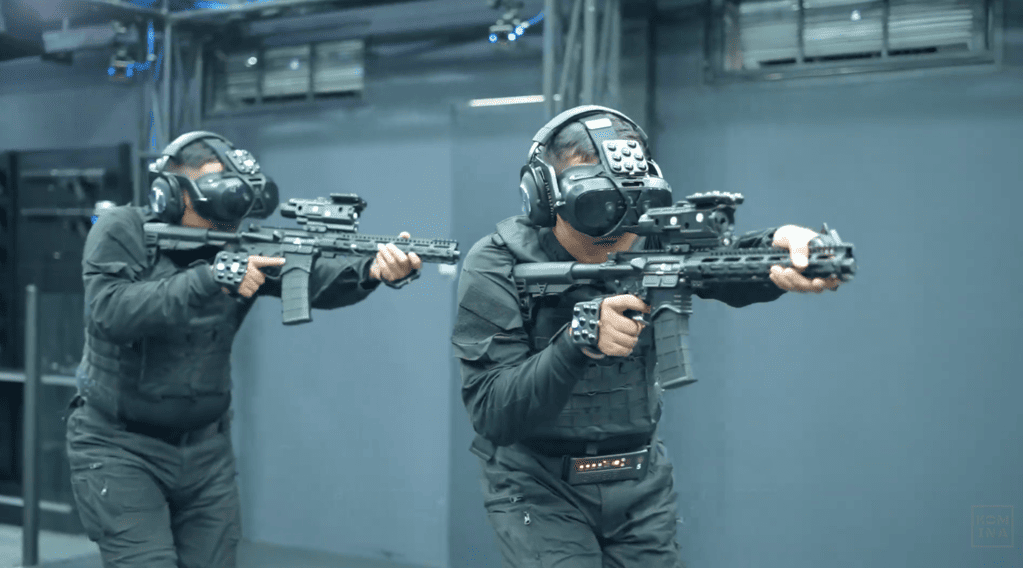
The KOMINA system strictly uses tactical weapon controllers—high-precision replicas where the weight, balance, and recoil are calibrated to perfectly match actual service rifles and sidearms.
What makes the experience even more intense is the haptic vest. If an operator makes a tactical error and takes a virtual hit, the vest immediately delivers a hard physical shock to their torso. This instant physical punishment triggers a genuine adrenaline rush, forcing personnel to drop bad habits and automatically seek proper cover.
Data-Driven Tactical Debriefs (After-Action Review)
In conventional drills, it is incredibly easy for an instructor to miss small mistakes during the sheer chaos of a mock raid. Relying on human memory to grade tactical evaluations is a huge liability.
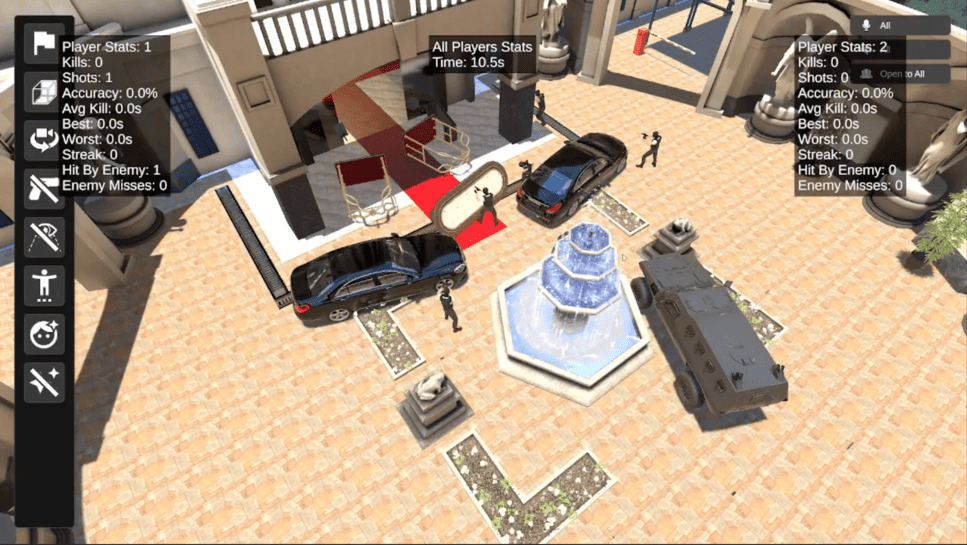
With the VR ecosystem, every single micro-movement is permanently and precisely recorded. Where exactly was the operator looking? Did they notice the civilian hiding in the corner? What was their exact reaction time when the threat popped out?
All this data feeds straight into the system. Through the After-Action Review (AAR) feature, instructors can replay the entire event in full 3D from any angle—even from the suspect’s point of view. Evaluations are no longer based on guesswork; they are completely dissected using absolute, undeniable data.
Conclusion: A Smart Investment for Safer Operations
Burning through agency budgets on rigid, expensive, and high-risk physical drills is no longer an efficient strategy.
Adopting KOMINA’s Law Enforcement VR Simulator is a calculated tactical move to produce operators who are calmer, possess razor-sharp judgment, and are mentally bulletproof. Through this technology, departments can drastically multiply their personnel’s training hours without wasting thousands of rounds of live ammunition. Ultimately, it is this uncompromising preparation in the virtual world that will save lives out in the field.