


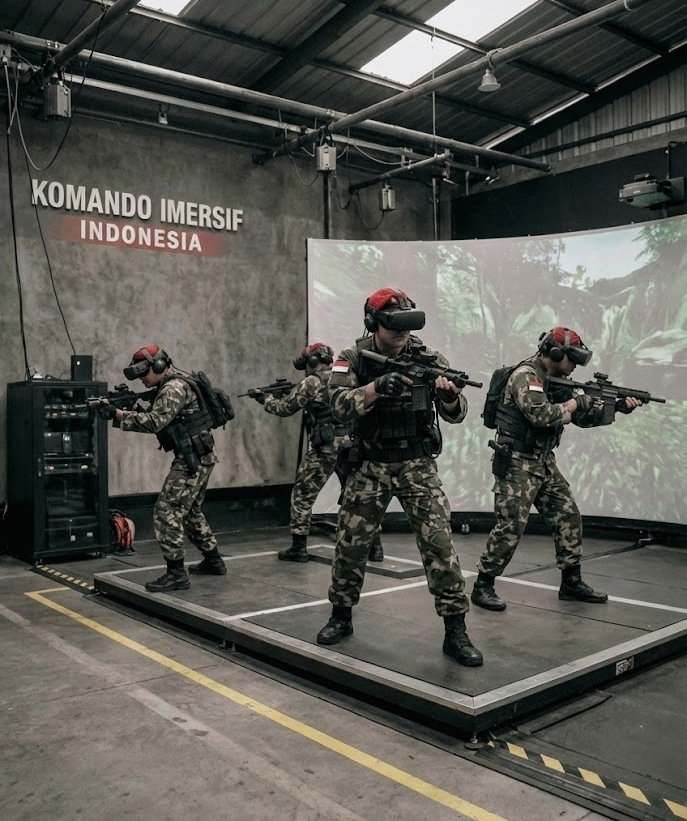
For years, military training has relied on physical drills, classroom briefings, and field exercises. Those methods still matter. But as operational demands grow more complex, so does the way forces prepare. Virtual reality has entered the conversation—and with it, plenty of misunderstandings.
Some of these assumptions sound reasonable at first. Others are simply outdated. Let’s clear them up.
1. “VR is basically a video game”
This is the most common reaction—and the easiest one to dismiss.
Military VR simulation is not built for entertainment. There are no scores, no shortcuts, and no fantasy elements. Scenarios are designed around real operational data, realistic environments, and mission logic that mirrors actual conditions.
If anything, VR training is intentionally uncomfortable. It forces decisions under pressure and exposes weaknesses early—exactly what training should do.
2. “It can’t feel real enough to be useful”
No simulation fully replaces reality. That has never been the goal.
What VR does exceptionally well is prepare the mind. Situational awareness, reaction timing, communication flow, and judgment under stress can all be trained long before personnel enter the field.
The result is simple: fewer surprises when it actually matters.
3. “VR training costs too much”
This belief usually comes from looking only at initial setup costs.
When fuel usage, equipment wear, ammunition, transportation, and downtime are considered, VR simulations often reduce overall training expenses. Units can repeat scenarios without resetting physical environments or mobilizing large teams.
Over time, efficiency—not hardware—becomes the real value.
4. “VR will replace real-world drills”
It won’t. And it shouldn’t.
VR simulations work best as preparation and reinforcement. They allow teams to rehearse procedures, test decision paths, and align strategies before live exercises begin.
Field training becomes sharper when people arrive already knowing what to expect.
5. “Only elite units benefit from VR”
This is another outdated assumption.
VR simulations scale well. They are just as effective for basic orientation, safety procedures, command training, and emergency response as they are for advanced tactical planning.
The technology adapts to the mission—not the other way around.
Why These Misconceptions Persist
Military organizations are cautious by nature. That caution has value. But when hesitation is based on old assumptions, progress slows.
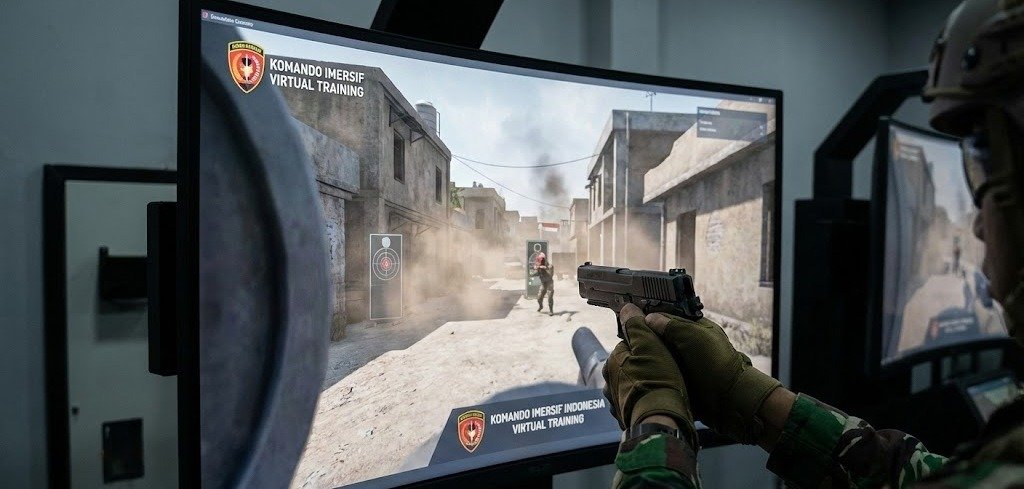
VR simulations are no longer experimental tools. They are practical training assets already in use by forward-thinking defense teams worldwide.
Ignoring them doesn’t preserve tradition—it limits readiness.
Contact Us
Enhance your team’s accuracy and mental readiness.
Contact us for a consultation and a demonstration of KOMINA simulation technology.
Email: halo@komina.co
Phone/WhatsApp: +62 812 9696 7887
Address: Jl. Cikunir Raya No. 8, Kota Bekasi,
Jawa Barat 17422, Indonesia.
Website: www.komina.co